Climate and Mental Health: Resourcing Psychologists in a Time of Polycrisis - Auckland
Presented by Gabrielle Feather, Jackie Feather and Pip Pehi, with guest webinars by Jonathan Black and Marc Wilson.
NZPsS Member $250; NZPsS Student $75; Non-Member $350
In person workshop also being offered in Wellington - 17th July and Christchurch -24th July.
This one-day, in-person workshop responds to recent environmental disruptions across Aotearoa New Zealand, which have highlighted the important role psychologists and other mental health professionals can play in supporting individuals and communities affected by disasters and environmental uncertainty. The workshop aims to strengthen the capacity and confidence of psychologists and other mental health professionals to respond to these emerging challenges. While the focus will be on climate change and its consequences, the skills are broadly applicable across multiple realms as humanity faces the simultaneous occurrence of several, interconnected and cascading crises including wars, petrol insecurity and economic instability.
Participants will explore three key roles psychologists and other mental health professionals increasingly play:
- Clinician – supporting individuals experiencing ecological distress and trauma
- Public voice – communicating psychological insights in public conversations
- Community member – contributing to collective resilience and wellbeing
The workshop will address both the direct impacts of extreme events and more indirect forms of distress, including eco-anxiety, ecological grief, and uncertainty about the future, and will introduce practical, evidence-informed approaches for working with these experiences.
Through case studies, experiential exercises, discussion, and practical tools, participants will develop greater confidence responding to environmental disruption in clinical, community, and public contexts.
Workshop presented by:
Gabrielle Feather is a PhD candidate in psychology exploring how people respond psychologically to ecological crisis and environmental change. Her doctoral research has led to the development of a new psychological framework for understanding eco-distress as a dynamic and context-shaped human response to environmental change. Alongside her academic work, Gabrielle writes Holding Both on Substack, where she explores psychology, meaning, parenting, and life in a time of ecological disruption.
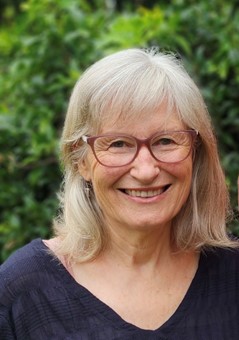
Jackie Feather trained as a clinical psychologist and completed her PhD in the field of child abuse and trauma, later becoming interested in the impacts of climate change and ecological devastation on mental health. Jackie is Co-convenor of the Climate Psychology Taskforce of NZPsS and is called upon to respond to media requests, speak at public events and present seminars. She is involved in a local community group restoring the native bush and wetland areas near her home, and enjoys spending time in nature with her six mokopuna.
Pip Pehi is a clinical psychologist with over 25 years’ experience, with a particular focus on rangatahi and whānau, and on Indigenous approaches to intergenerational health and healing. Her work is grounded in a deep commitment to te taiao, the living natural world, and is guided by wairua and relational ways of knowing. Alongside her clinical practice, Pip has worked across psychology and environmental contexts, including postdoctoral research exploring pathways for healing in relationship with people and place.